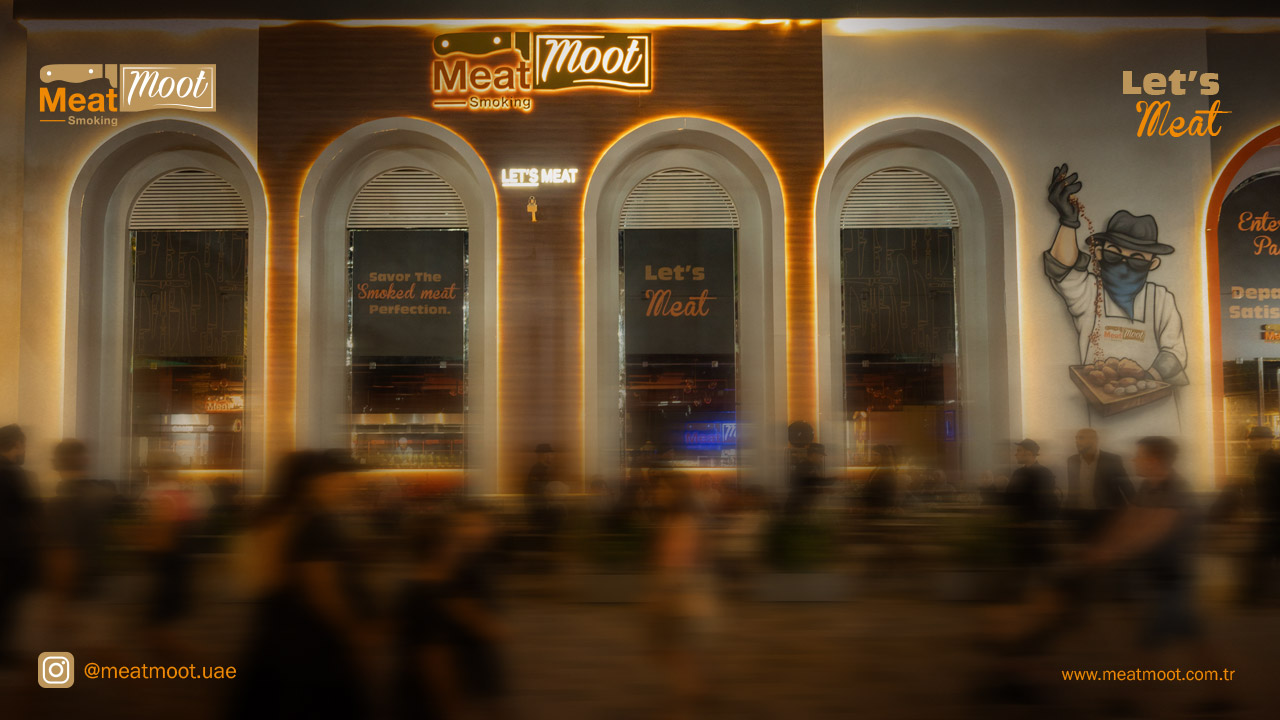
Meat Moot began with a simple idea: serve real smoked meat in a setting guests remember as vividly as the food. My partners and I opened our first restaurant inside a historic landmark building in Istanbul, and the response gave us the confidence to carry the concept across borders. Since then Meat Moot has grown into an international franchise with branches across the Middle East and beyond, and our Dubai home at City Walk sits a short drive from Burj Khalifa.
Every new branch taught me something different about running restaurants, and Dubai taught me the most. The city has one of the most competitive dining scenes in the world, with diners who have tasted everything and expect a lot. If you want to open a restaurant in Dubai, you need a strong concept, a clear plan and the patience to get every approval right. Here is the path I would follow if I were opening my first restaurant here today.
Build a Concept Guests Can Describe in One Sentence
A restaurant in Dubai competes with hundreds of others within a few kilometres, so your concept carries the entire business. Guests choose a place they can describe to a friend in a single sentence, and Meat Moot works because everyone understands it immediately: authentic smoked meat, served generously, in a space with character. Before you spend a dirham on licences or rent, write your own sentence and test it on people who will tell you the truth.
A strong concept answers four questions clearly. Who is your guest, what do they eat, how much do they spend per visit and why would they choose you over the restaurant next door? Dubai serves a multicultural population with tastes from every corner of the world, which gives a focused concept room to find its audience. Families, office workers, tourists and late-night diners each behave differently, so design your menu, opening hours and price point around the guest you want most.
Keep the first menu short. A focused menu lets your kitchen perfect every dish, keeps your stock manageable and helps guests decide quickly. You can always add dishes once you know what your guests order again and again.
Secure the Right Licences in the Right Order
Opening a restaurant in Dubai involves two main licences and several approvals that depend on each other, so the order matters as much as the paperwork itself. The first licence is your trade licence, issued by the Department of Economy and Tourism for mainland restaurants or by a free zone authority, and it names the type of food establishment you will operate. The second is the food establishment licence from the Food Safety Department of Dubai Municipality, which confirms your restaurant meets the city's public health standards.
Dubai Municipality's Food Code governs almost every decision inside your kitchen, from the layout of preparation zones to storage temperatures and staff hygiene. Read it before your designer draws a single line, because your kitchen plans need Dubai Municipality approval before construction starts. Every restaurant also appoints a trained Person in Charge who takes responsibility for food safety on each shift, and inspectors visit regularly once you open.
Depending on your concept, you may need additional permits for food delivery, for operating during the daytime in Ramadan, or for serving specific products that carry their own licensing rules. List every permit your concept needs at the planning stage, so none of them delays your opening day.
Trade licence: from the Department of Economy and Tourism or a free zone authority
Kitchen and layout approval: from Dubai Municipality, based on the Food Code
Fit-out permit and Civil Defence approval: for construction and fire safety
Food establishment licence: from the Food Safety Department once the premises are ready
Additional permits: delivery, Ramadan operation and specialised products, as your concept requires
Choose a Location That Matches Your Guest
Location decides who walks through your door, and in Dubai every district has its own crowd and rhythm. A destination like City Walk attracts residents and visitors who come to stroll, shop and dine, while a neighbourhood setting serves families who want a reliable favourite close to home. Meat Moot's branch in Al Khawaneej shows how differently two locations in the same city can behave, with a quieter residential setting that calls for a more relaxed, open-air experience.
Visit every shortlisted site at breakfast, lunch, dinner and late at night, on weekdays and weekends, and count the people who pass. Check parking, delivery access and the visibility of your shopfront from the road. Before you sign, confirm that the unit has the right ventilation, drainage and electrical capacity for a commercial kitchen, because upgrading a space that lacks them can swallow a large share of your budget. I covered more of these checks in my guide to finding the right space for your business.
Negotiate your lease with the full picture in mind. Ask for a rent-free fit-out period, understand the service charges and confirm what the landlord's No Objection Certificate requires before you commit.
Design the Kitchen First and the Dining Room Second
Guests fall in love with the dining room, and your business lives or dies in the kitchen. Plan the kitchen around the journey of your ingredients, from the delivery door to cold storage, preparation, cooking, the pass and the dishwash, keeping raw and cooked food on separate paths. Dubai Municipality reviews this flow carefully, and a kitchen that works on paper saves you from expensive changes after inspection.
Once the kitchen works, give the dining room the character that makes your concept memorable. My design background shaped how we approached Meat Moot's interiors, and our team at Algedra carried the brand into the Meat Moot restaurant design in Al Khawaneej, where we used natural materials and hut-inspired seating to create a warm, outdoor-facing setting. The right interior gives guests a reason to photograph your space, return with friends and stay for dessert.
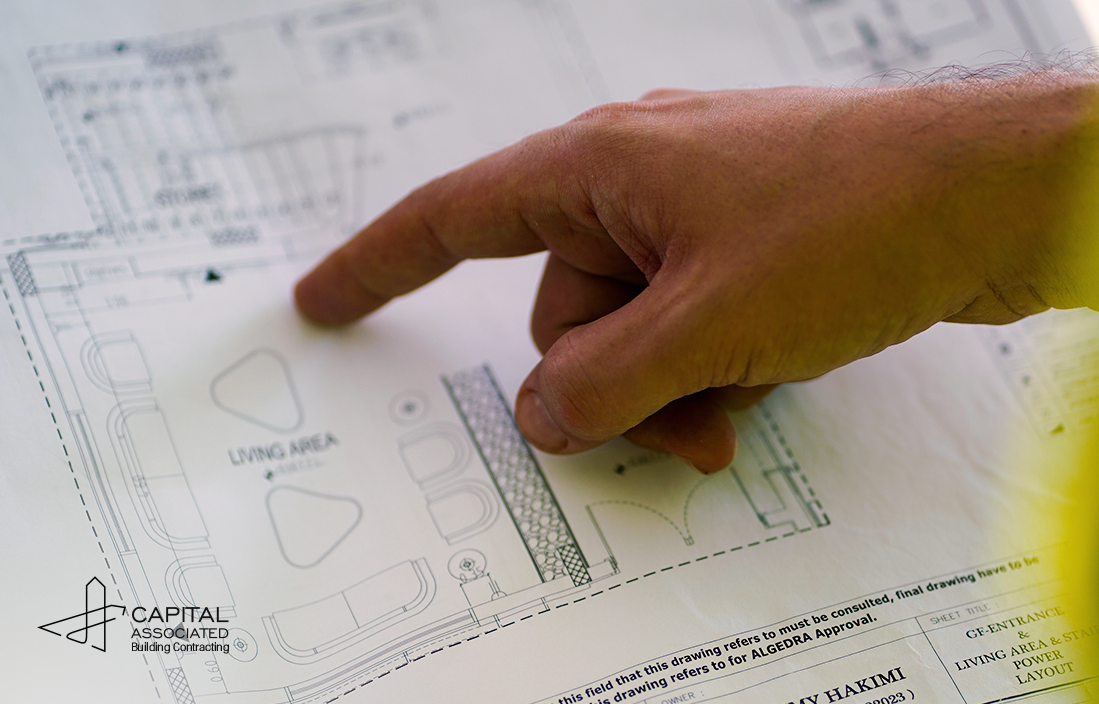
Work with a designer who understands hospitality and approvals together. Fire safety, ventilation, grease traps, accessible washrooms and lighting levels all need to satisfy Dubai Municipality and Dubai Civil Defence before you receive your fit-out completion, and a team experienced in hospitality interior design builds those requirements into the concept from the start.
Plan Your Budget Around Every Stage of the Opening
The cost to open a restaurant in Dubai varies widely with size, location and concept, so I encourage founders to build their budget from the ground up, one item at a time. Most of the investment falls into a handful of categories, and each one deserves its own line in your plan.
Licences and approvals: trade licence, food establishment licence, permits and the fees for each submission
Rent and deposits: the first rent payments, security deposit and service charges
Design and fit-out: interior design, construction, MEP works, ventilation and finishes
Kitchen equipment: cooking lines, refrigeration, extraction hoods and dishwashing
Furniture, tableware and technology: seating, lighting, point-of-sale and reservation systems
Staff: recruitment, visas, accommodation where required, uniforms and pre-opening training
Opening stock and marketing: first ingredient orders, launch event and digital campaigns
Working capital: enough cash to run the restaurant for several months before it covers its own costs
Working capital matters more than any other line. Restaurants usually take time to reach steady numbers, and Dubai's summer months bring a seasonal slowdown in many districts. Plan for the quieter season from day one, and use the ideas I shared on helping a seasonal business succeed all year long to keep your cash flow steady.
Hire a Team That Delivers Your Standard on Every Shift
Your chef and your restaurant manager are the two most important hires you will make. The chef protects the quality of every plate, and the manager protects the experience from the moment a guest arrives until they pay the bill. Hire both early enough to shape the menu, the kitchen layout and the service style with you, because people who help build a restaurant care about it more.
Dubai's hospitality workforce comes from all over the world, which gives you access to deep talent and also asks you to unite many cultures behind one standard. Write your service steps down, train every team member before opening night and run full rehearsals with friends and family as guests. Recognise good work openly, and give your best people a path to grow, because a stable team keeps your food and service consistent from one month to the next.
Launch With Energy and Earn the Second Visit
A strong opening puts your restaurant on the map. When we launched Meat Moot at City Walk, guests from the worlds of music, media and entertainment joined us for the opening, and the media coverage introduced the brand to a wide audience across the city. Your launch can be smaller and still powerful, as long as it brings the right people into the room and gives them a story to share.
Start with a soft opening for a few weeks, invite neighbours and local food writers, and use their feedback to fix the small problems every new restaurant has. Build your presence on social media and on delivery platforms before the doors open, and encourage guests to post their own photos, since user-generated content persuades new diners better than any advertisement you can buy.
The real test comes after the opening buzz settles. Track your numbers every week, from table turns and average spend to food cost and staff hours, and act quickly when one of them moves in the wrong direction. A restaurant succeeds on the second, fifth and twentieth visit, so treat every guest as the regular they could become.
Turn Your Restaurant Idea Into a Plan
Opening a restaurant in Dubai rewards founders who combine a clear concept with careful planning. Define your guest, follow the licensing steps in order, choose a location that fits your concept, design the kitchen with the same passion as the dining room and keep enough capital to carry you through the first seasons.
If you are preparing to open your own restaurant and would value advice from someone who has taken a concept across several countries, complete the form on my contact page and share your idea with me. I look forward to hearing what you are building.
Frequently Asked Questions
What licences do I need to open a restaurant in Dubai? You need a trade licence from the Department of Economy and Tourism or a free zone authority, and a food establishment licence from the Food Safety Department of Dubai Municipality. Your kitchen layout, fit-out and fire safety also need approval before you open.
Can a foreigner open a restaurant in Dubai? Yes. Foreign founders open restaurants in Dubai regularly, and the ownership structure depends on the jurisdiction and activity you choose, so confirm the current rules with the licensing authority before you register.
How much does it cost to open a restaurant in Dubai? The cost depends on size, location and concept. The main categories are licences, rent and deposits, design and fit-out, kitchen equipment, furniture and technology, staff, opening stock, marketing and working capital for the first months.
What is the Dubai Municipality Food Code? The Food Code sets the food safety and hygiene standards every food establishment in Dubai follows, covering kitchen layout, storage, preparation, staff hygiene and training.
How long does it take to open a restaurant in Dubai? The timeline depends on how quickly you secure the location and approvals and on the scale of the fit-out. Planning the licences in the right order and preparing compliant drawings from the start shortens the process considerably.
Do I need a special permit for food delivery in Dubai? Yes, restaurants that deliver food need the relevant permit in addition to their food establishment licence, and delivery platforms ask for it during registration.